
Restoration and renovation after property damage are two different jobs done in a specific order, and mixing up that order is where most people run into trouble.
Restoration comes first; it's the emergency work, the part where a crew shows up, stops the damage from getting worse, and gets the structure stable again.
Renovation is what happens once that's done; new drywall, new flooring, maybe an upgrade or two that you’ve been putting off.
I've seen homeowners try to jump straight to the renovation part because it feels more productive, more like progress.
That instinct is understandable, but typically it is also a mistake, and here's why.
Restoration and Renovation After Property Damage: Know the Order
Why Restoration Has to Happen Before Renovation
You can't build on a foundation that's still wet, or paint over walls that still smell like smoke.
Restoration companies handle triage first for a reason. Just like physical therapy doesn’t happen before the bone is set, the house works the same way.
A restoration and renovation project typically moves through a few stages before any rebuilding starts:
Emergency mitigation within the first few hours, things like water extraction, tarping a roof, or boarding up broken windows.
A full assessment, usually with moisture meters and sometimes the use of proprietary estimating software.
Drying of the structure with the use of airflow and dehumidification so that the structure is stabilized and safe as well as to prevent any manner of rot, deterioration or mold growth/
Removing any damaged components that cannot be saved after carefully documenting with the use of high resolution digital images.
Only then, once everything checks out, does reconstruction begin.
I've been on job sites where a homeowner painted over water stains within a week of a leak, thinking it was handled. Six weeks later, there was mold behind that wall.
It happens more than people think, and it's almost always more expensive to fix the second time.
The Renovation After Restoration
Once the structure is stable, the actual rebuilding starts, and this is honestly the part most homeowners end up caring about more.
It's where a damaged kitchen becomes a better kitchen than it was before.
Renovations and repairs after fire, water, or storm damage usually cover some combination of the following:
Drywall and plaster work
New flooring, or refinishing what's salvageable
Electrical and roofing updates brought up to current code
Carpentry, siding, masonry, whatever the damage touched
Full reconstruction in the more serious cases
There's a real benefit to keeping the same team through both phases. You're not sitting down with a brand-new contractor and explaining the whole situation from scratch.
The crew that pulled water out of your basement already knows what's behind that wall, which tends to make everything move faster.
Insurance and the Part Nobody Warns You About
The paperwork is often the slowest part of the entire process, slower than the actual repair work most of the time.
Claims sit for weeks if nobody's pushing them along. This is where it helps to work with a contractor who has licensed adjusters on staff as well as Project Managers that have prior experience as adjusters for one of the large insurance carriers.
They know what an adjuster is looking for and how it needs to be formatted which usually means fewer denied line items and less back and forth.
Timelines vary a lot depending on how bad the damage is. A small leak in one bathroom might be done in under two weeks, start to finish.
A house fire with structural damage could take a few months. Ask for a written timeline before anything gets signed. If a contractor can't give you one, that may be a red flag.
What to Look for in a Restoration and Renovation Contractor
Not every company that handles restoration also knows how to properly handle the rebuild.
A few questions worth asking before you commit to anyone:
Do they handle emergency mitigation themselves, or hand it off to a subcontractor?
Are their techs actually certified, IICRC or similar?
Can they show you a past project close to your situation?
Is there one person you'll be dealing with the whole way through, or a rotating cast?
Does claims assistance come with the job, or is that extra?
If a company can answer those without hesitating, they've probably done this hundreds of times before. That matters more than people expect and that prior experience becomes invaluable and quite evident once the process is underway. Experience = Less time out of your home and/or less time trying to run your household with severely disrupted routines.
Bottom Line
Restoration and renovation after property damage work best as a single continuous job, not two separate ones handled by two companies.
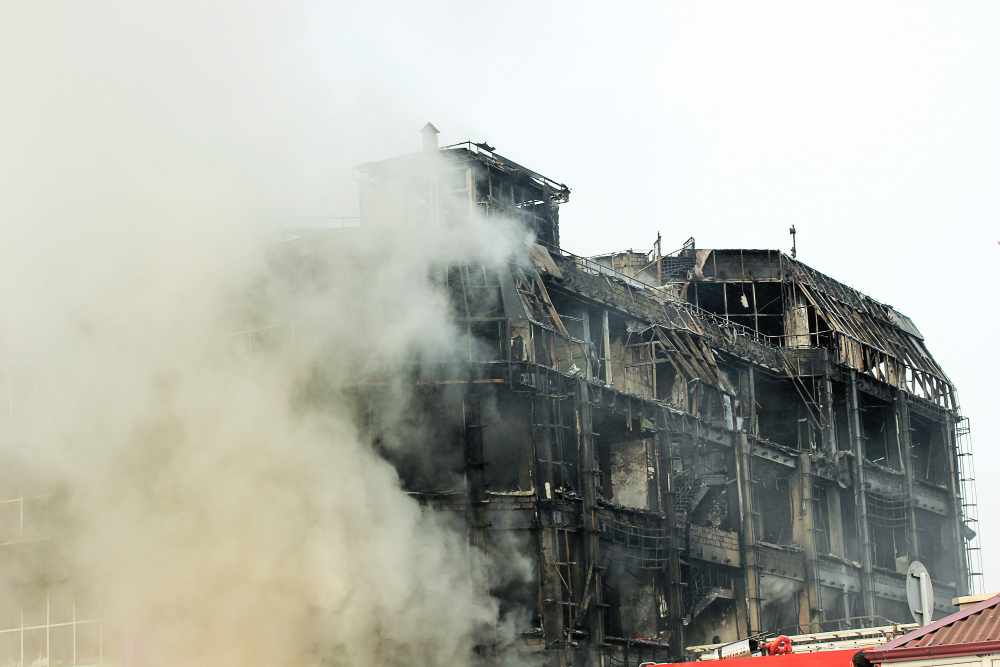
Restoration stops things from getting worse. Renovations and repairs bring the property back, and often leave it better than before the damage happened.
If you're dealing with water, fire, or storm damage right now, don't wait around hoping it sorts itself out.
Complete Contractor Services is a local, Veteran owned company that has been in the restoration and renovation business since 1988, handling everything from 24/7 emergency response to full renovations and repairs and insurance claims assistance, all under one roof.
Reach out to Complete Contractor Services for a quote, and let a team that's done this thousands of times walk you through it.
Disclaimer: The information in this blog is for informational purposes only and is written by a content writer. It is not a substitute for professional advice or on-site inspection. For expert guidance specific to your property, please contact Complete Contractor Services.
Write a comment ...